ABOUT
The After Project™ exists for unrecognized heros who stepPED forward during A catastrophe, yet are left to navigate the aftermath alone.
WELCOME to The After Project™
The After Project™ exists for the people who participated in rescue or recovery efforts — but were never formally recognized for their acts of courage, and developed secondary post traumatic stress.
When catastrophe strikes, systems are designed to support two groups: primary victims and designated First Responders. Both deserve care. Both receive structured pathways for recovery. But large-scale events involve far more people than those two categories account for. Hospital teams who stabilized survivors. Teachers and staff who protected students. Co-workers who coordinated emergency response inside businesses. Bystanders who stepped forward and helped strangers. Clean-up crews that sifted through debri. They all participated in the rescue or recovery — yet did not carry an official title that qualifies them for long-term support of post traumatic stress. Their secondary trauma is ignored and untreated.
Because these unrecognized heros were not the direct victims impacted or First Responders on scene, many are expected to return to a routine life without acknowledgment of cumulative exposure, responsibility under pressure, or the physiological impact of what they witnessed and managed. The After Project™ addresses that structural gap — building a credible recovery model for individuals who stepped into crisis, absorbed its weight, and were left without the recognition or resources typically reserved for others. Recovery should not depend on a job title. It should reflect actual exposure and participation.
WHAT WE ARE BUILDING
The After Project™ is building a networking recovery model for individuals impacted by large-scale catastrophic events.In many mass-casualty situations, formal support services are structured primarily for designated victims directly impacted and First Responders. These systems are necessary and vital; however,large-scale events involve far more people than those who carry an official emergency title.
Hospital staff beyond the emergency response team.
Teachers and support workers.
Construction and clean up crews.
Business owners and co-workers.
Public servants and volunteers.
Bystanders who stepped forward in crisis.
Many of these individuals contribute to rescue, stabilization, and community recovery — yet fall outside the boundaries of structured long-term support offered soley to those with primary trauma.
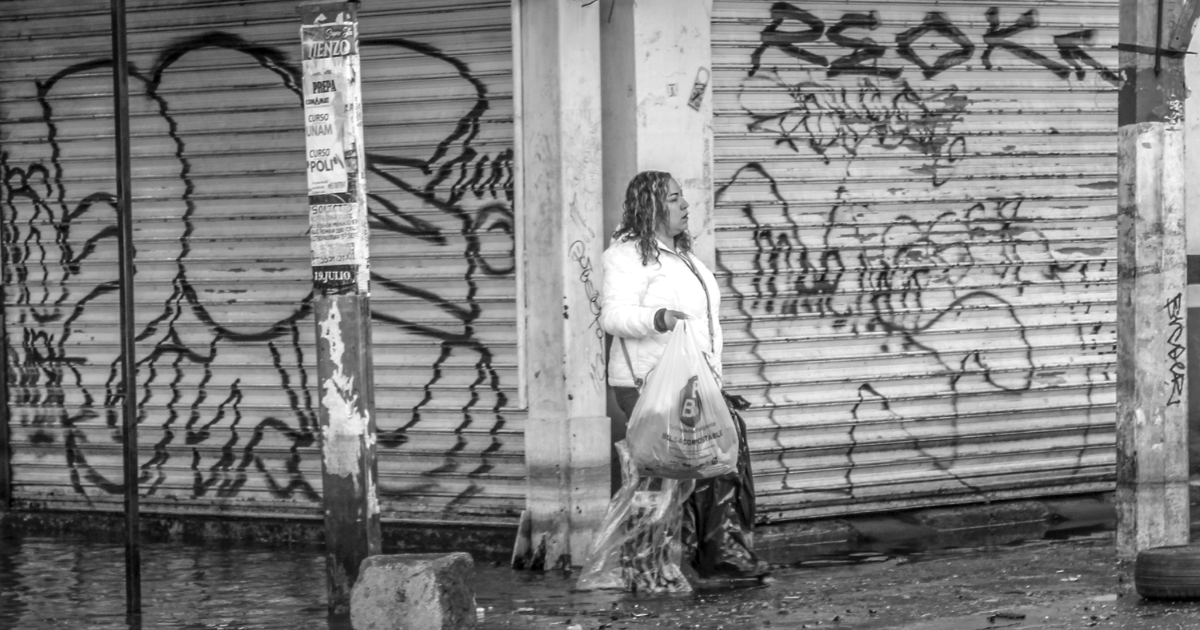
The After Project™ is designed to serve those individuals — the unrecognized heros.
Our platform brings together multiple therapeutic modalities — including licensed Western-trained clinicians, trauma-informed therapists, holistic practitioners, animal-assisted therapy programs, and structured educational resources — to expand access to meaningful, long-term support. Each paid subscriber to the foundation, will have the access to the variety of providers and resources on the platform. The objective is not rapid response — it is stablility for months “after” the event, because symptoms of PTSD take months to surface. The goal is that each member can interview and coordinate the best healing team for themselves, with complete and total autonomy. By integrating licensed clinical care, trauma-informed therapy, holistic modalities, animal-assisted support, and structured educational resources, this model focuses on access to resources to treat the mind, body, and soul for those navigating symptoms of secondary post-traumatic stress.
THE FOUNDER
The After Project™ Foundation was born from the lived experience of a nurse who worked inside one of California’s most devastating natural disasters.
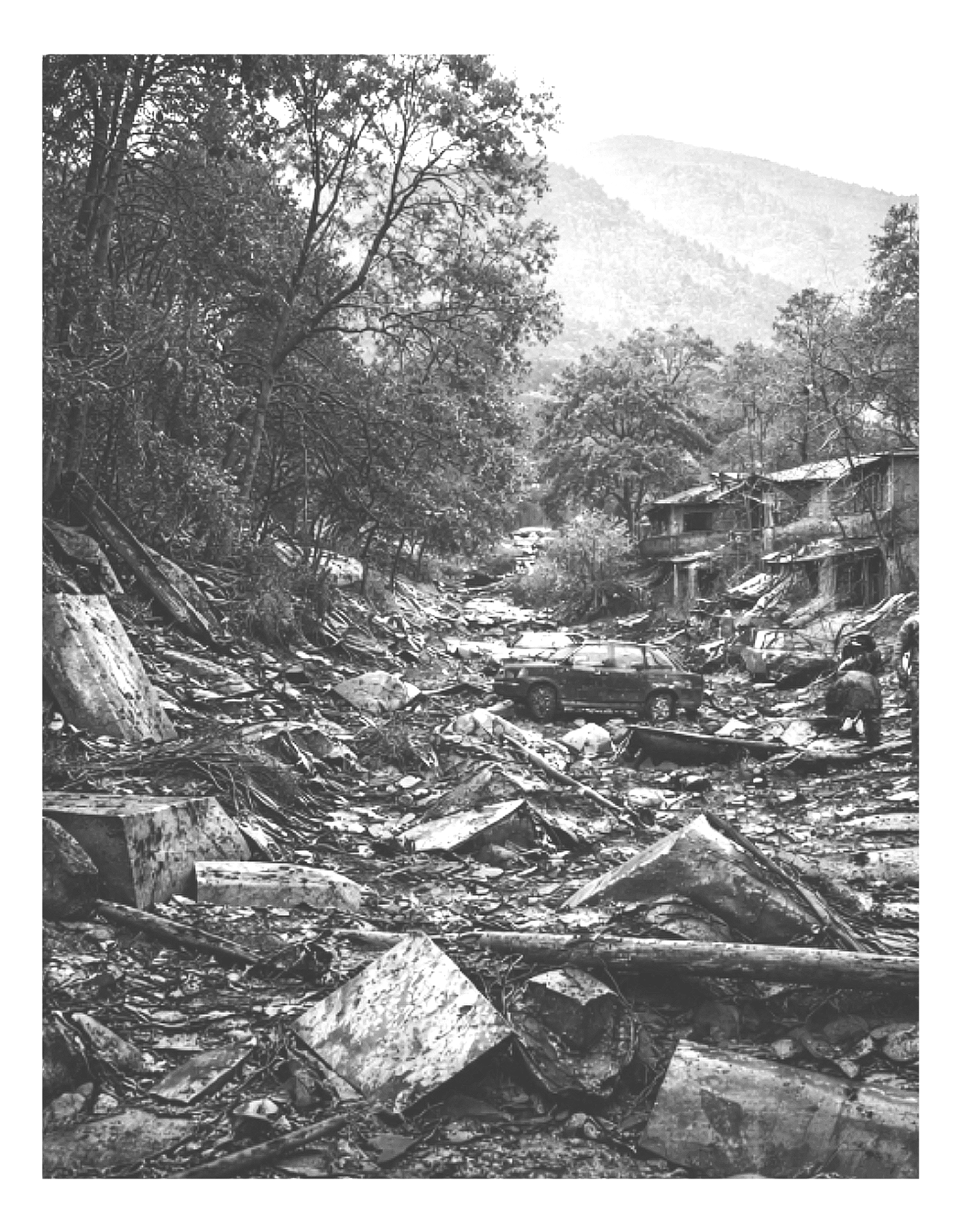
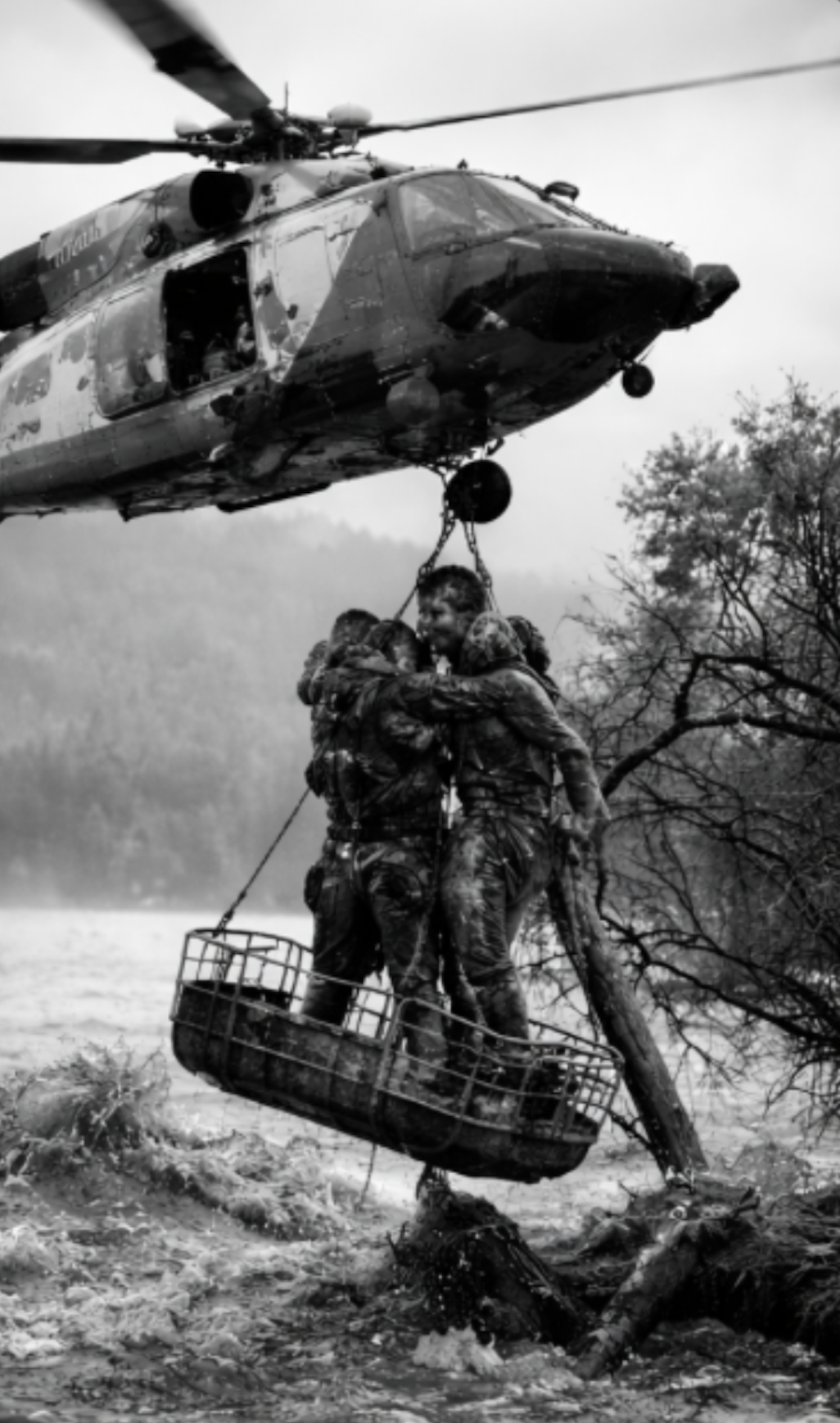
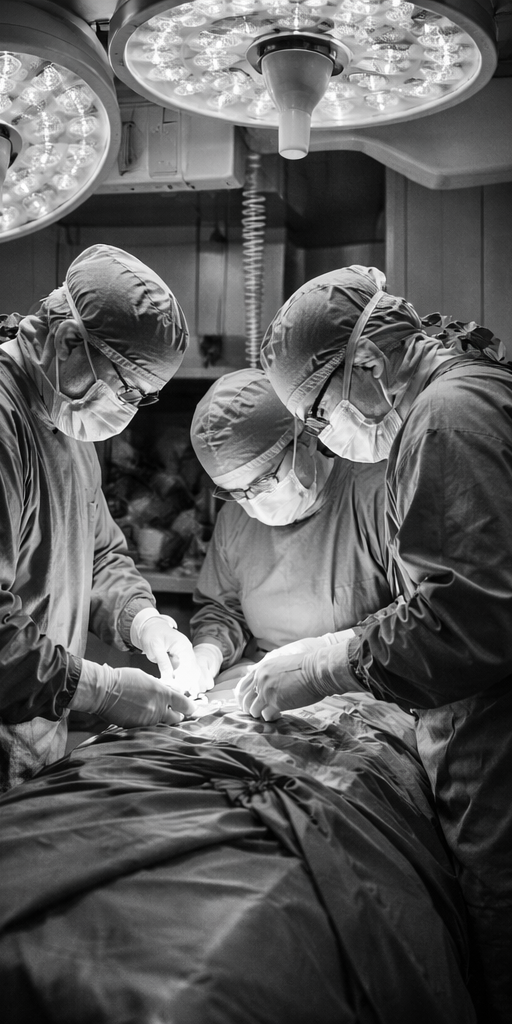
In January 2018, following the 2017 Thomas Fire, the Montecito Mudslides tore through a community already scarred by wildfire. At the time, the founder was serving as an operating room nurse when the mass-casualty response began. Patients were airlifted by Coast Guard helicopters directly to the hospital. Many were so critically injured that they bypassed the emergency department entirely and were transported straight into surgery.
Inside the operating room, the work was precise and urgent. There was no space for emotion and no time to absorb the scale of what had occurred beyond the sterile field. Surgical teams moved from case to case with disciplined focus, stabilizing bodies pulled from debris and rivers of mud. The acute response systems performed exactly as they were designed to. Then the emergency phase ended.
Nearly ten months later, the first signs of post-traumatic stress began to surface — sleep disruption, hypervigilance, irritability, panic attacks, fainting in public, and a nervous system that would not settle. The disorientation was not caused by the event itself, but by the delayed emergence of its impact. When support was sought through the hospital’s Employee Assistance Program, the response was narrowly structured and isolating. She was told she was the only one coming forward. Treatment centered primarily on medication and maintaining work performance. As symptoms intensified, prescriptions increased. Workplace discipline followed. Relationships strained. Time away proved difficult to secure. The unspoken message was clear: stabilize quietly and continue functioning. Eventually, stepping away from the hospital became necessary. Distance was required to regain stability.
Healing did not begin with a single appointment. It began after attending a holistic women’s retreat, where hearing the story of a cancer survivor reframed what recovery could look like. It became clear that living with post-traumatic stress would require more than symptom management; it would require coordinated care addressing mind, body, and spirit. With intention and structure, she built a team. An Internal Medicine physician, a psychiatric Nurse Practitioner, a counselor specializing in post-traumatic stress, a spiritual guidance counselor, a chiropractor, and a massage therapist were selected carefully, each aligned around a shared strategy. Over time, the support of a trained service dog became part of that framework. For several months, care rotated every 48 to 72 hours in an immersive, coordinated model designed not simply to suppress symptoms, but to rebuild stability, resilience, and the life skills necessary to navigate PTSD.
Her experience revealed a profound gap: when an individual does not carry the formal title of “First Responder,” access to structured PTSD services is often limited — both through employers and community systems. From that realization, the vision for The After Project™ and its Foundation emerged. It was built to ensure that no one who stepped forward during a major catastrophe is ever again told they are “the only one” struggling — or that their role disqualifies them from care.
After stabilizing, she returned to the operating room and practiced for an additional six years, continuing to serve surgical patients with her love for surgery. Today, her professional focus is divided between building The After Project™ Foundation and serving as a Legal Nurse Consultant, advocating for patients affected by surgical complications and system failures. Both roles are rooted in the same principle — that care does not end when the procedure is over, and accountability does not end when the crisis fades.